Okay so I get asked ALL the time what we do for school when we travel, and honestly I never know how to answer it, because the real answer is kind of long and it starts with something that surprises people, which is that we are not a full-time roadschool family.
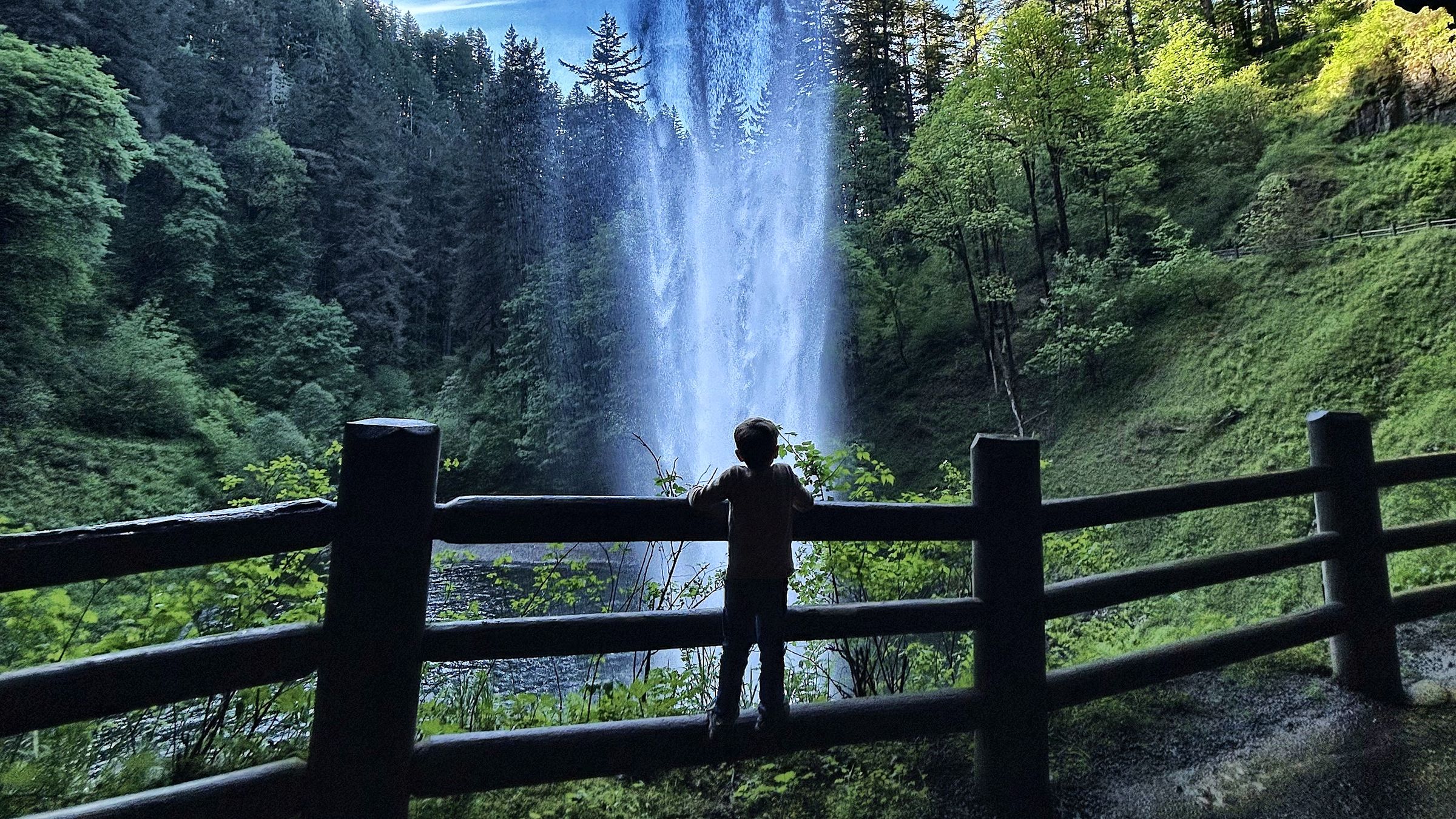
My kids do a LOT of school. I have kids in public school and I have kids who do a community homeschool program, and we have gone back and forth on that more than once (I could write a whole separate post on that decision and maybe someday I will). But last year we dived into roadschooling for real. We did two big trips, one across the eastern half of the country and one through the Pacific Northwest, and you guys, we LOVED it. We loved it so much that I've spent most of this year building a roadschool curriculum, which is not a normal thing to do after a vacation haha.
So I want to talk about it, because I think a lot of people picture roadschooling as this thing where you sell your house and buy an RV and your kids never see a classroom again, and that is one way to do it and I have so much respect for those families. But there are other ways to do it too, and most of the people who ask me about it have a kid in third grade at the regular elementary school and one big trip they've been dreaming about for years, and I want them to know that counts, and that you are allowed to do this for six weeks and then come home and go back to normal life.
So what is roadschooling
The plain definition is that roadschooling (some people write it road schooling, same thing) is just homeschooling that happens while you're traveling. Whatever your state already requires of you doesn't change, you're just doing it from the car or a campground or a hotel room instead of your kitchen table. Worldschooling is the same idea in other countries, and we've stuck to the US so far, 47 states of it.
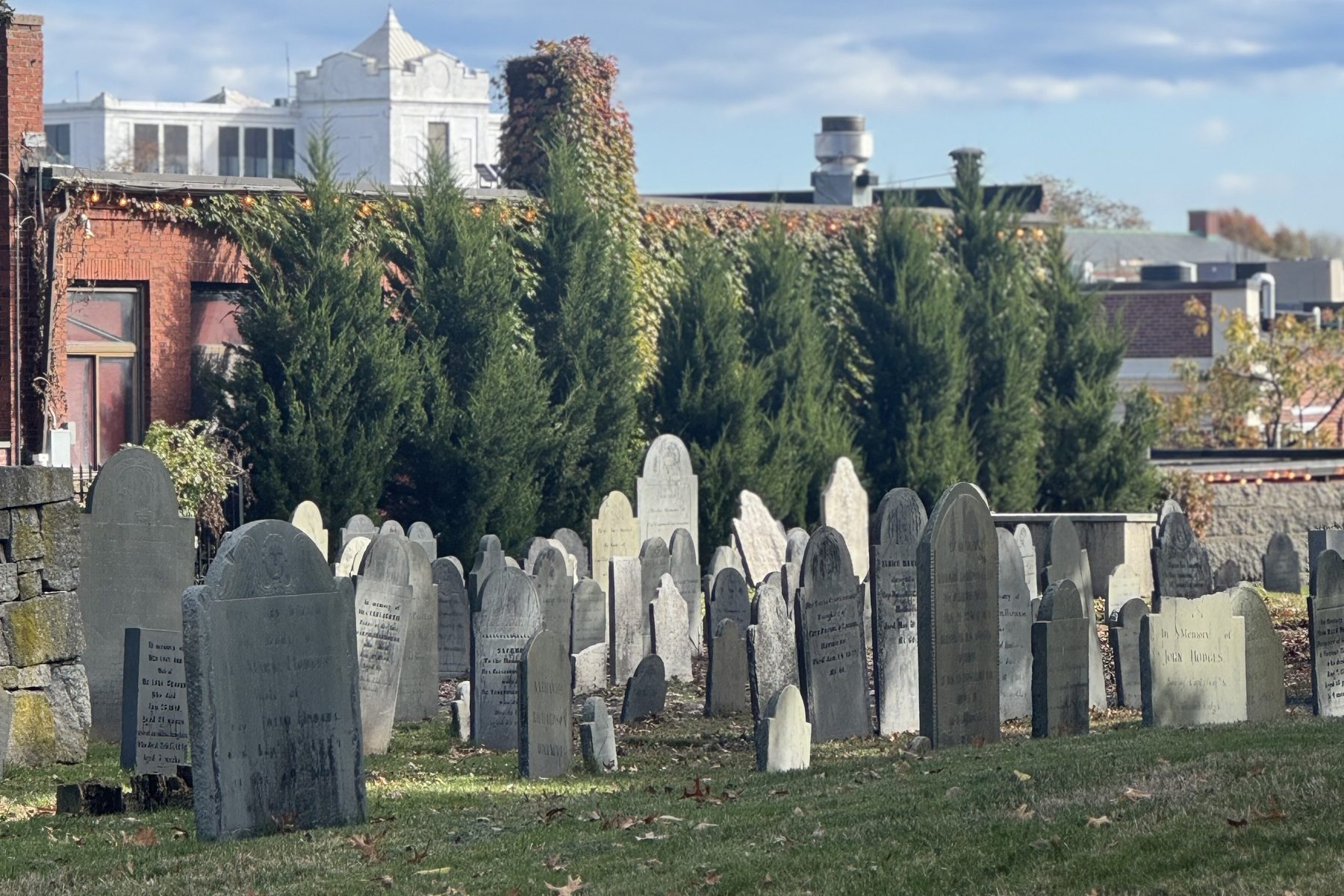
But that doesn't really explain why the people who do it get so obsessed with it. For me the reason is that you get to do the lesson IN the place. Like, we listened to Killing the Witches on the drive to Salem, Massachusetts, hours and hours of it, and by the time we got there my kids knew every character in the 1692 trials. Then we sat in the town square and watched a mock trial and they already knew who everyone was and what was going to happen to them. Nobody had to make them care about it, they just did, because they'd been living with those people in the car all the way there.
I have honestly never had that happen at my kitchen table, and I've tried.
Is roadschooling going to work for your family
I'll be honest, it doesn't work for everyone, and I would rather tell you that than talk you into something you're going to hate.
Some things to think about. Does your kid need a quiet desk and a closed door to get anything done? Because some kids really really do, and mine can do a math page with a brother singing right next to them, but that's just my kids. How long are you going to be gone? Because for a week you can honestly just skip school and it's fine, but seven weeks is a different thing. Can your family be in a small space together for a long time? (We lose it sometimes. We lose it at home too, so idk if that's even a fair test.) Does one of your kids have services or a specific program they need to keep up with? You can still go, you just have to figure that part out before you leave and not in a parking lot at 9pm.
And the one nobody really says out loud is, are YOU going to be okay. Because you're the one driving and teaching and packing all the snacks, and if you're already running on empty at home, a trip is not going to fix that (ask me how I know).
Roadschooling laws, the part everyone asks about first
I'm not a lawyer, so please go look up your own state, but here is the basic idea.
The homeschool law that applies to you is your home state's law, and it follows you wherever you go. We're in Utah, so for our homeschooled kids we filed a one-time affidavit with our school district and they sent us an exemption certificate, and that covers us whether we're at home in Eagle Mountain or in a campground in Maine. You don't pick up a new set of rules every time you cross a state line.
Where it gets a little tricky is if you stay somewhere for a long time. The general rule of thumb is that once you've been in another state for more than about 30 days you technically fall under that state's rules, so most traveling families either keep it under 30 days in any one state or they do their long stays in the summer when it doesn't matter.
If you're a true full-time family where the van or the RV is your real home, that's a whole different situation, and those families pick a "domicile" state on purpose. You'll hear Texas and Florida and South Dakota over and over for that, because of taxes and because the homeschool reporting in those states is really light. HSLDA has a page for every state and that is where I would start.
And then there's the one for families like mine, where you have a kid in public school and you want to pull them for a trip. That is a conversation with the school, and every district handles it differently. Some have a real process for extended absences and some don't, so ask early, go in person if you can, and bring your plan with you. It goes so much better when you can say we're listening to these books and going to these parks and here's what she'll be doing for math, than when you just say you'll be gone for a while.
What a roadschooling day looks like
I think people picture a desk bolted into the van and worksheets everywhere, and it is really not like that. This is what it looked like on our seven week fall trip, the one where we left at 3pm on a Thursday and made it to Rawlins the first night.
Mornings in the van are audiobook time. That is honestly the main lesson of the day and half the time the kids don't realize it's school. Then somewhere mid-morning the little ones get their kits out (coloring, workbook pages, the state page for whatever state we're in that day) and the big kids do their math, and somebody is always asleep, and that's fine.
We usually get where we're going around lunch, and then the afternoon IS the school. The Junior Ranger booklet, the hike, the museum, whatever it was we drove there for. Then dinner, then someone tells me what they saw or writes it down, and we're done.
And some days we do zero school and drive for eleven hours and eat gas station food for both meals, and those days are allowed to happen too.
How each subject works when you roadschool
Math is the one people worry about the most, so I'll start there. We keep math boring on purpose. Our homeschooled kids go to a micro school a few days a week when we're in town, and the school sends their math with us when we leave, so they just keep going and pick right back up when we get home. Then the fun math is the road math, like how many miles to the next town and how long is that going to take at 70, and how much is lunch going to cost with this many people. If you have older kids, hand them the gas budget for a day and see what happens.
For reading, the rule I would give anybody is book first, place second. Pick the book about where you're going, listen to it before you get there, and let the place do the teaching when you show up. We use a Yoto so it's not another screen, and my littles have a LeapFrog reading pen so they can read on their own without me. And writing gets so much easier when they've seen something worth writing about. Postcards count. A running list of every terrible gas station snack in America counts, if that's what gets your kid to pick up a pencil.
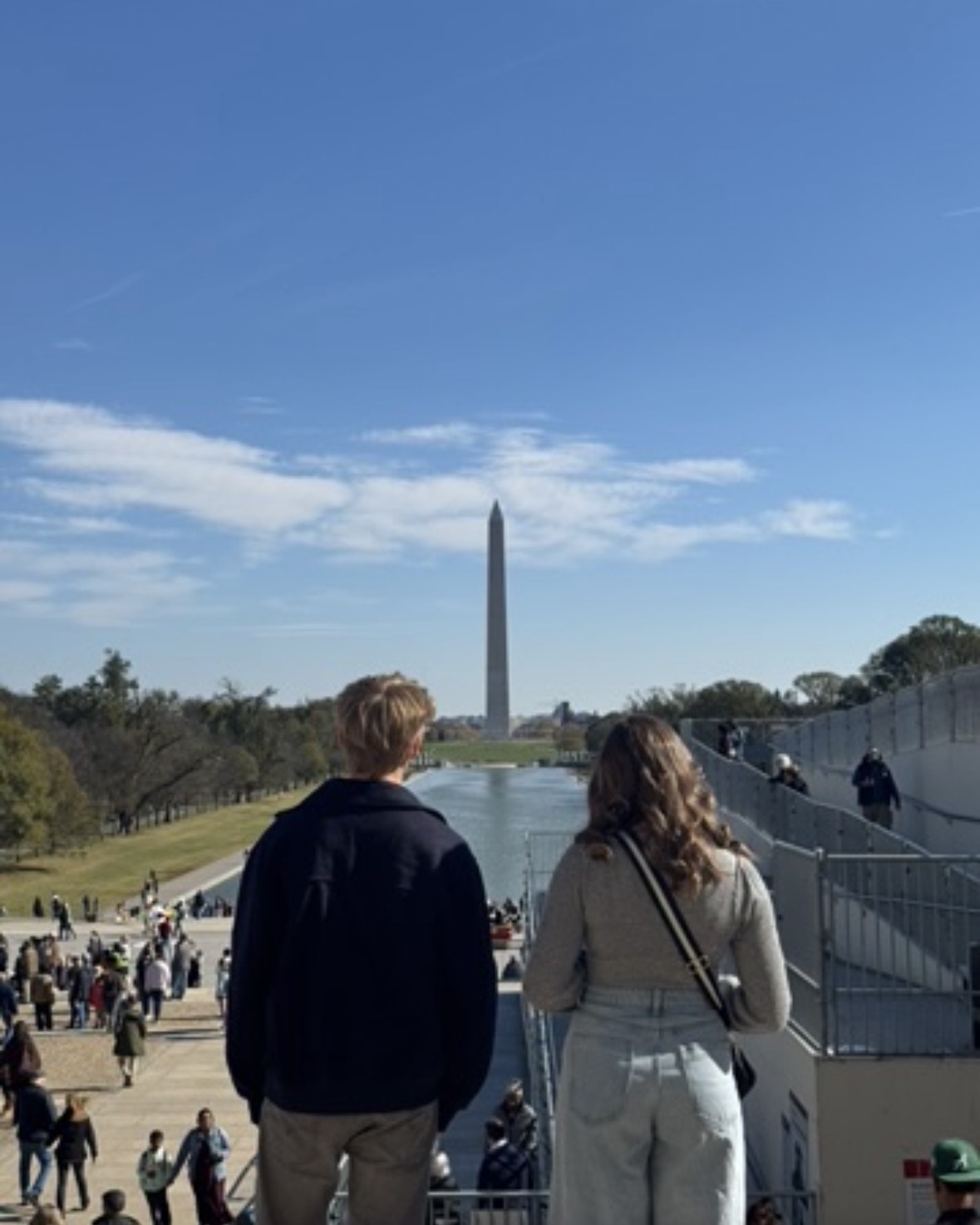
History is where this stops being a cute idea and turns into the real thing. My kids have stood under Mount Rushmore. They have walked up the steps of the Lincoln Memorial and turned around and seen the Washington Monument all the way down the mall, and they've walked through the old cemetery in Salem and been inside the Witch House, and nobody had to convince them any of that was real.

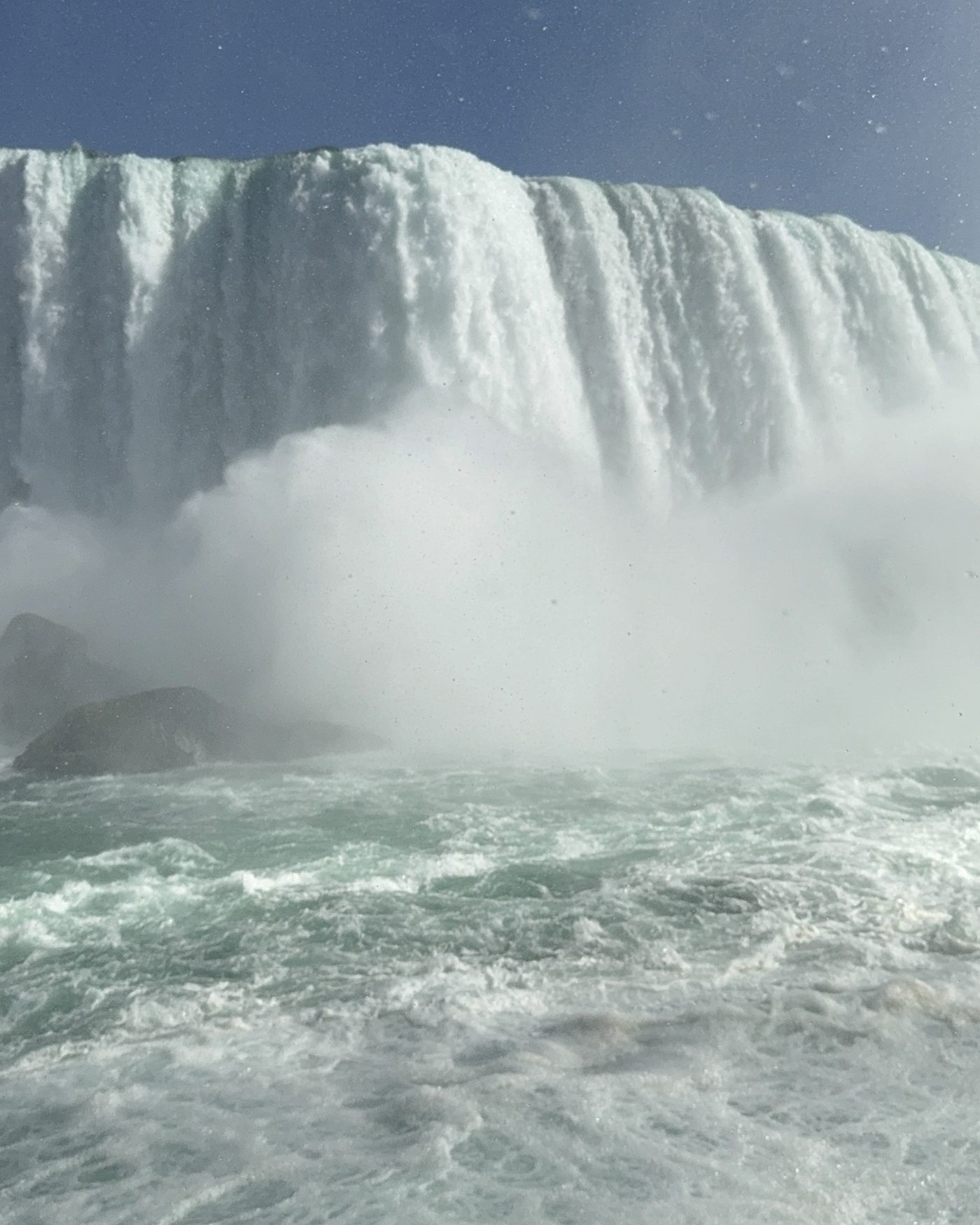
Science kind of takes care of itself, because every region hands you a unit whether you planned one or not. The Oregon coast is tide pools and haystack rocks and why the sand looks the way it does. Niagara Falls in a plastic poncho teaches more about water than I could ever say out loud. Seek and iNaturalist will identify the plants and the bugs for you, and a cheap notebook turns all of that into nature study.
And then everything else. PE is the hike, art is drawing whatever's in front of you, and music is whatever that region is famous for, and you can drive across a whole state listening to the people who came from it. Life skills is trip planning, so give your older kids a whole day and let them plan it, where you eat and what it costs and how long between stops, and I promise they will come back with opinions about how you've been doing it.
Keeping homeschool records on the road (the boring part)
Write it down that night. Not in April when you're trying to remember what you did in October. That night, in the notes app on your phone, three lines, where you were and what you listened to and what they did, and honestly that's a portfolio, that's all a portfolio is. If your state wants hours you can figure them out from those three lines later.
The free stuff counts as records too. Junior Ranger booklets get filled out and dated and signed by a real park ranger, which is better documentation than most worksheets, and they don't cost anything.
What you need to roadschool (way less than you think)
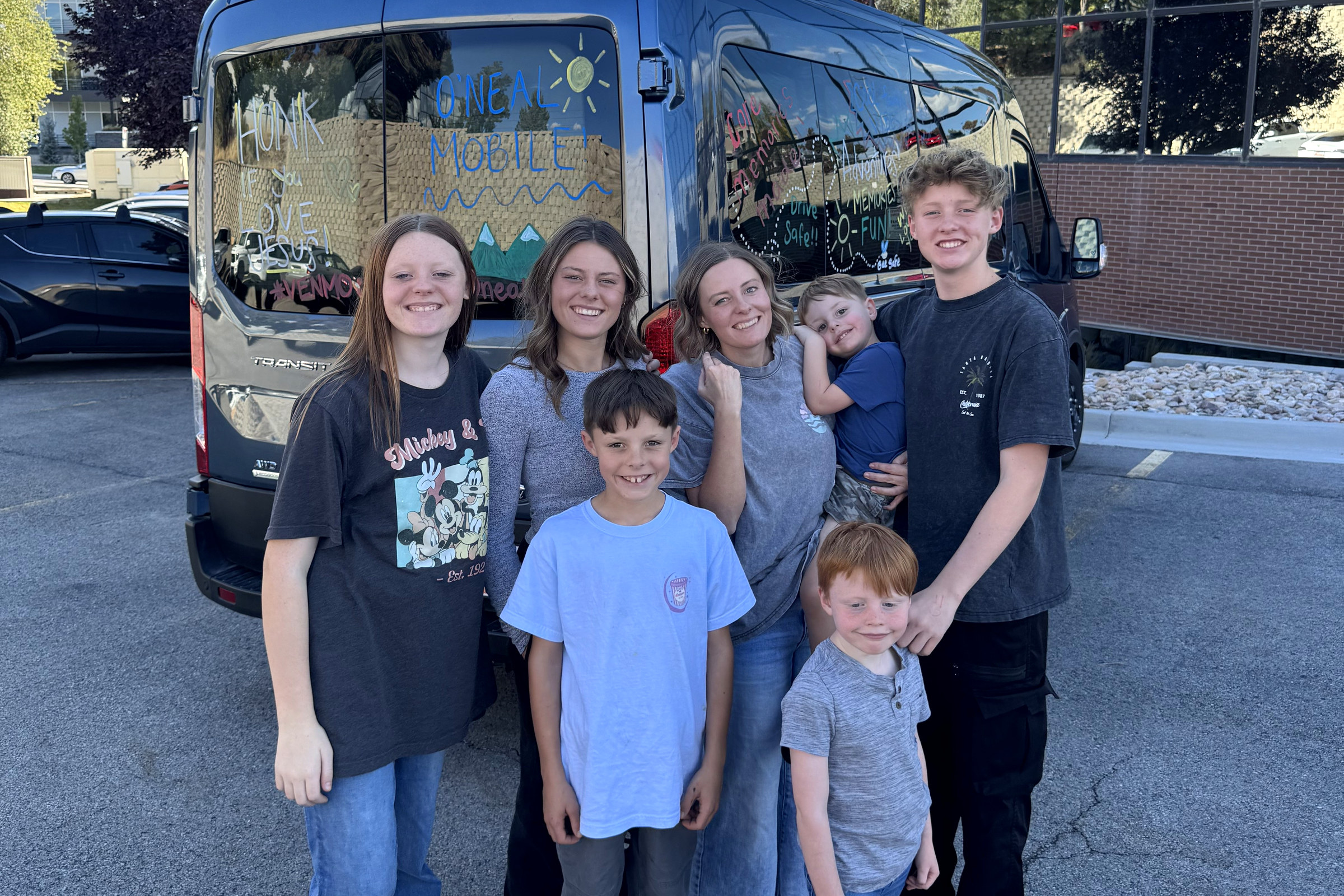
You do not need a van build with a fold-down desk. We have a Ford Transit, the O'Neal mobile, and school happens on laps.
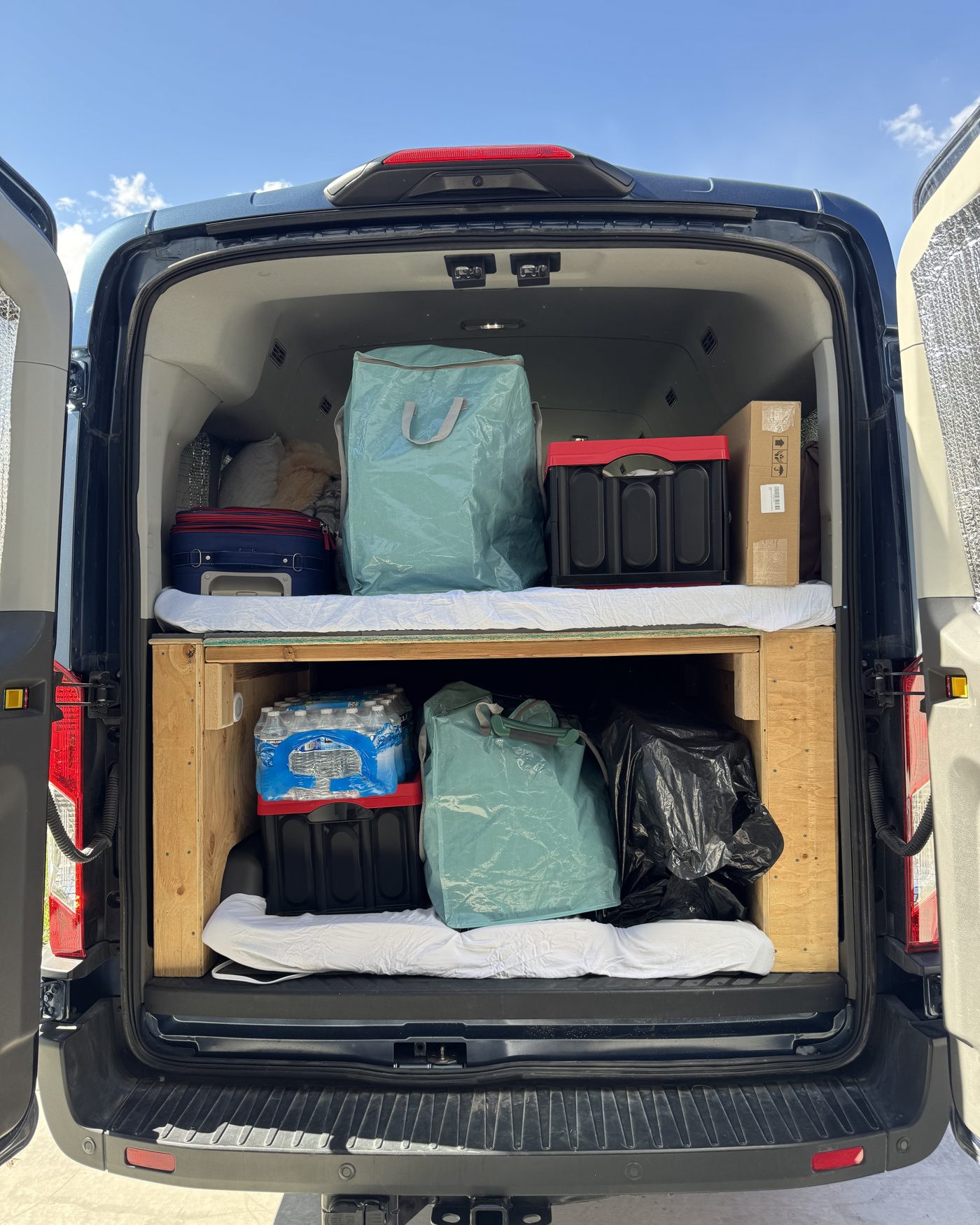
What has earned its spot in our van is a Yoto for audiobooks, a Boogie Board so math can happen without loose paper everywhere, Magformers because they're quiet, Osmo for the days I need somebody really and truly occupied, the LeapFrog pen, and the National Parks passport book. And every kid has their own backseat kit that is THEIRS, so nobody is asking me for a pencil at 70 miles an hour. That's really it. I wrote out the full gear list in road trip essentials if you want more than that.
The parts nobody tells you about roadschooling
Reading in a moving car makes some kids sick, so audio for everyone and paper only when you're parked. The wifi will not work on the one day you really need it, so download everything before you leave the driveway. Week one is bad, everybody's off and the routine is gone and you will wonder what you've done, and then week two it clicks, so please don't judge the whole trip by week one. Somewhere in the middle you'll have a day where you're sure you're wrecking their education, and that's when you go back and read your three lines a night and see that they've done plenty. And you will come home behind on something, every single time, and you'll catch it up in a couple of weeks and by Christmas nobody remembers.
How to start roadschooling
Pick somewhere three hours away. Find the book about it, put it on for the drive, go there, do the Junior Ranger booklet if there's a park, and come home and write your three lines. That's it, you roadschooled. Everything after that is just the same thing for longer.
If you want to see the audiobooks we use and the backseat kits and what keeps my six from turning on me, that's all in what roadschooling looks like in our van.
Where we are right now
We're home this year. My oldest daughter is on her mission, and when she gets home we're going again, and until then I'm sitting at my desk building the thing I kept wishing somebody had already made.
It's called Belle Bucket Road School and it's a roadschooling curriculum organized by place, and I can't explain how much that matters until you've tried to do this with a day 1, day 2 plan and then your trip changes on day 1 (it will). So if you're in Seaside you go to the Seaside page, and the science and the story and the read-aloud and the math are all just sitting there. Every activity is a checkbox because I'm a bucket list person and I cannot help it. The Pacific Northwest is finished and the rest of the country is coming, and it goes hand in hand with our travel guides so the trip and the school are the same thing.
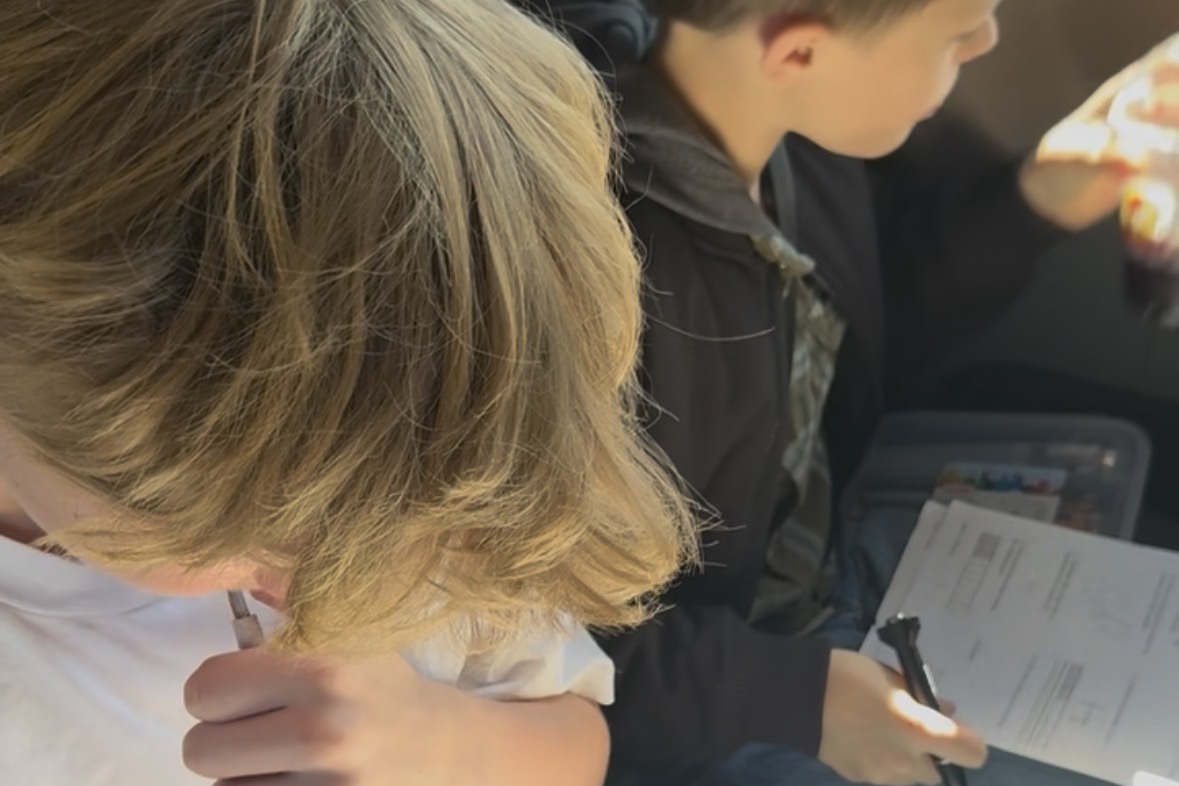
I have a picture on my phone of two of my kids doing school in their van seats with their notebooks on their laps and the sun coming in the window. That's what I'm trying to explain when someone asks me what we do for school, and it has never once fit in a sentence, so now it's a whole blog post haha.
Questions I get asked about roadschooling
Is roadschooling legal?
Yes. Roadschooling is homeschooling, so your home state's homeschool law is what covers you and it travels with you. The one thing to watch is staying in another state for more than about 30 days, and if you're a full-time family you'll want to pick your domicile state carefully. Check your own state on HSLDA.
Do you have to be a full-time RV family to roadschool?
No, and we're the proof. We have kids in public school and kids in a community homeschool program, and we roadschool when we travel. A six week trip counts, and so does a long weekend.
What about socialization?
There are six of them in one van, so they are never short on people. And on the road they talk to park rangers and other families at campgrounds and people in every town we stop in, which is more new people than most kids meet in a normal school week.
How do you keep records while roadschooling?
Three lines a night in your phone, where you were and what you listened to and what they did, plus the Junior Ranger booklets, which are dated and signed by a ranger, and honestly that's your whole portfolio right there.
How much does roadschooling cost?
The school part is almost free. Audiobooks come from the library through Libby, Junior Ranger programs are free, and the few things we carry (a Yoto, a Boogie Board, a reading pen) are one-time. The trip is the expensive part, and that's a whole other post.
Is there a roadschooling curriculum?
There's about to be. Belle Bucket Road School is organized by place instead of by day, so it works whether you're gone three days or three months, and the Pacific Northwest volume comes first, this fall.