quileute reservation · sea stacks · pacific coast
where the forest meets the seaLa Push & The Beaches
The wildest coastline in the Pacific Northwest. Sea stacks rising out of fog, driftwood logs the size of houses, and the home of the Quileute Nation. Plus Rialto and Hole-in-the-Wall just to the north.
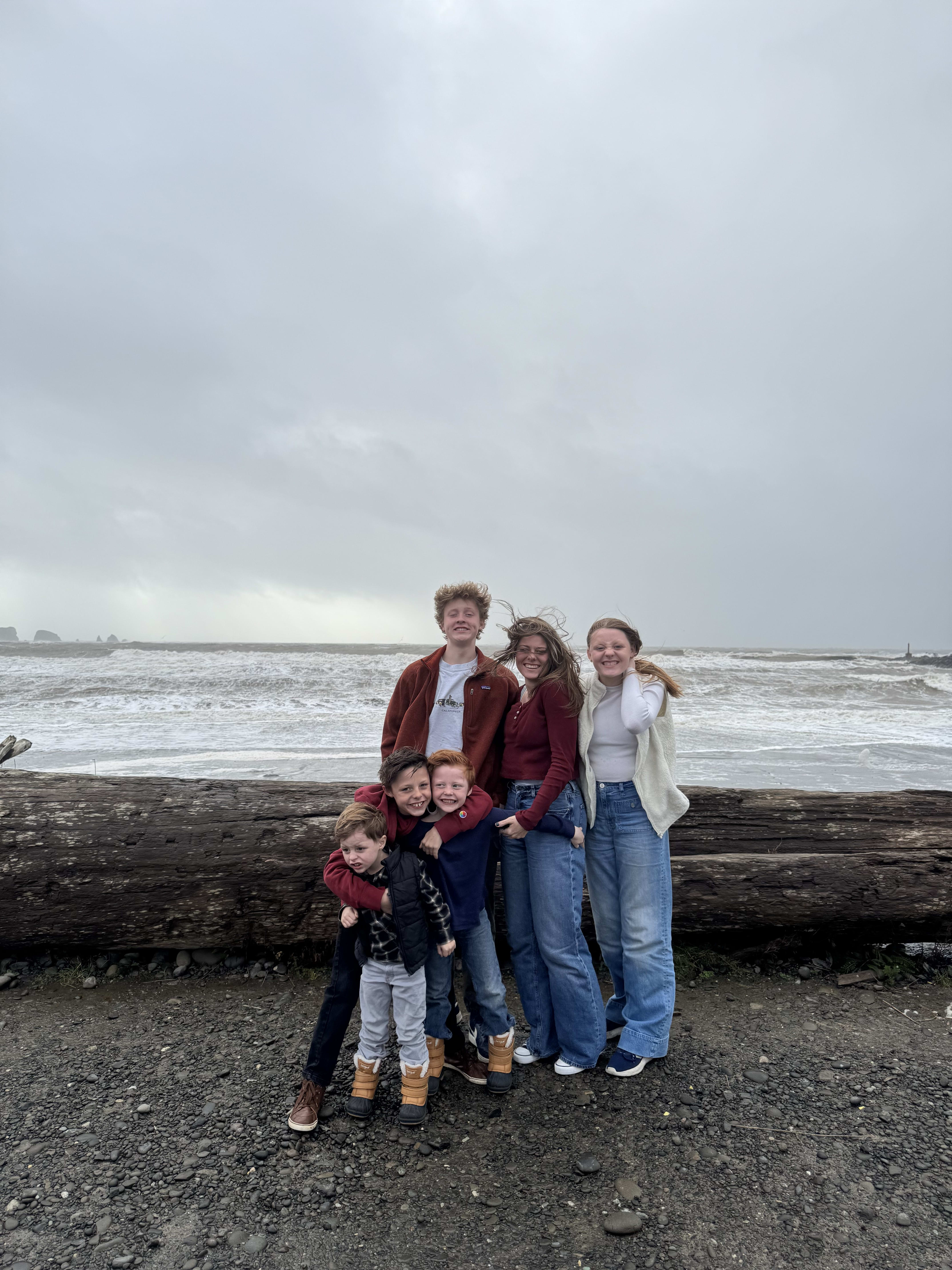
La Push & The Beaches in 60 seconds
2. Sunset on First Beach with driftwood logs and the Quileute fishing fleet coming in.
3. Hole-in-the-Wall at Rialto Beach (when accessible) at low tide for the natural arch and tide pools.
Splurge: Oceanfront cabin ($340-$480). Same resort, deck overlooking the sea stacks. Worth it once.
getting your bearings
Where the forest drops into the sea
La Push is a small village on the Pacific coast at the mouth of the Quillayute River. It's the heart of the Quileute Reservation, home of the Quileute Nation. The Quileute people have lived on this stretch of coast for thousands of years and continue to govern these lands today. That fact comes before any Twilight reference.
The village itself is small. A few hundred residents, a marina, the Quileute Oceanside Resort, and the Lonesome Creek Store. The reason you drive all the way out here is what surrounds it: three beaches that'll ruin regular beaches for you. First Beach is right in the village. Second Beach is a 0.7-mile hike south. Third Beach is a 1.4-mile hike further south. All three will stop you mid-sentence. Add Rialto and Hole-in-the-Wall just north of here (those two are Olympic National Park beaches) and you're looking at maybe the most dramatic stretch of coastline in the lower 48.
For families, plan a full day here. Morning at one beach, lunch back in town or at the resort, afternoon at another beach, sunset on Rialto. Bring layers because it's cold and windy even in summer. Bring tide tables. Some of these beaches change completely with the tide and a few of the hikes are tide-dependent.
About visiting Quileute land
First Beach is on Quileute land. The tribe asks visitors to follow a few important rules: get a $10 day-use permit from the Lonesome Creek Store before you visit. Do not film video on the beach (especially anything involving tribal members or ceremonies). Stay off restricted areas marked with signs. Be respectful. The permit fee supports the community. Second and Third Beaches are part of Olympic National Park, with no day-use permit needed beyond your park pass, but the same general respect applies.
Two things to know before you plan
Rialto Beach is closed July 8 through October 15, 2026. Mora Road is being repaired beyond the campground (storm damage from 2019), and the closure covers pedestrians and bikes too, so there's no parking at the campground and walking in. During this stretch, Rialto and Hole-in-the-Wall are off the table. Mora Campground stays open. If your trip falls in this window, plan Second Beach as your main beach hike. Ruby Beach (about an hour south near Kalaloch) is the closest alternative for that wild driftwood-and-sea-stacks feel.
Beach trailhead parking fills early. Second and Third Beach lots are small and fill by mid-morning in summer. Get your First Beach permit and any current parking info at the Lonesome Creek Store or the resort office, and plan to arrive early.
getting in & getting around
The road to the coast
La Push Road is a beautiful 15-mile drive west from Forks through forest and along the Quillayute River. The road dead-ends at the village.
15 miles west on La Push Road (WA-110). About 25 minutes. Two-lane paved road with a few curves. The Treaty Line sign at 3 Rivers Resort is a worthwhile stop on the way out. Watch for elk on the road, especially at dawn and dusk.
About 2 hours direct via Highway 101 west to Forks, then La Push Road. Most families combine this into the Forks visit rather than driving from PA each day.
About 20 minutes from La Push or 30 from Forks. Take Mora Road (off La Push Road just before La Push). You can't drive between La Push and Rialto directly. The Quillayute River separates them. You drive back inland and around. Plan accordingly.
The village itself is small enough to walk. First Beach is at the end of the road. Second Beach trailhead is on Quillayute Prairie Road just before you enter the village. Third Beach trailhead is on La Push Road about 4 miles back toward Forks.
La Push Road is fine for any rig. Mora Road to Rialto is fine. Beach trailhead parking gets crowded by 10 AM in summer. Smaller rigs handle it better. Quileute Oceanside Resort has dedicated RV sites.
the must-sees
Don't miss on the coast
First Beach. The most accessible beach, right at the end of La Push Road in the village. Drive-up parking, no hiking required. Sea stacks rising out of the water just offshore, miles of grey sand, driftwood logs, and surf that's gentler here than at Second or Third Beaches. $10 day-use permit required from Lonesome Creek Store. Best for families with little kids who can't hike to the other beaches. No filming allowed per Quileute tribal regulations.
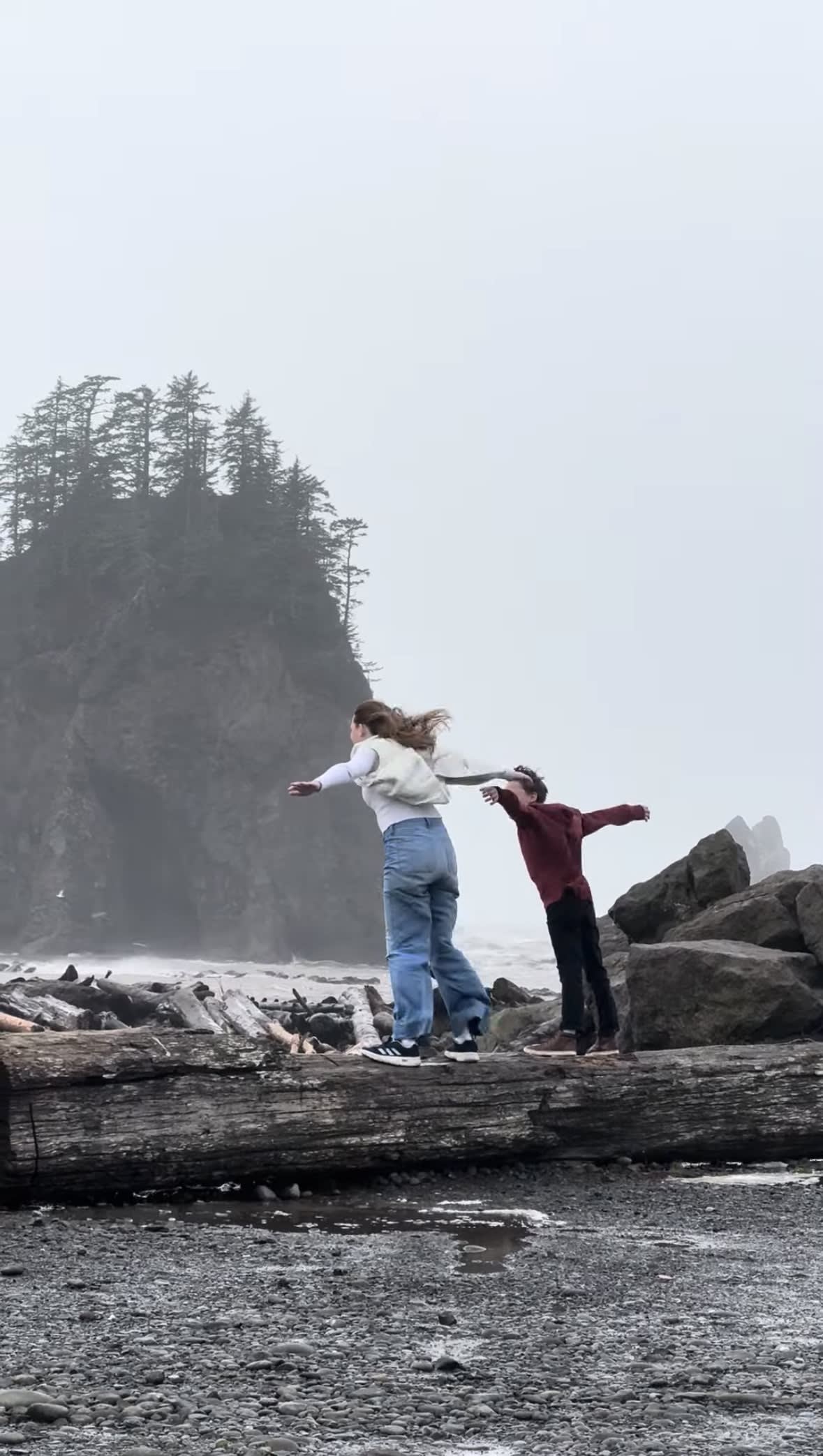
Second Beach. A 0.7-mile easy hike through forest from the trailhead. Drops you onto possibly the most photogenic beach in Washington. Massive sea stacks just offshore, tide pools at low tide, and the photos you'll still be showing people in ten years. If you only have time for one beach hike, make it this one. Give it 3-4 hours. Olympic National Park land, no extra fees beyond your park pass.
Third Beach. A 1.4-mile moderate hike from the trailhead. Less crowded than Second Beach because of the longer hike. Equally beautiful, way more solitude. The hike has some elevation but kids 6+ can usually do it. Strawberry Bay Falls drops onto the beach in some seasons. Olympic National Park land.
Rialto Beach. Just north of La Push (across the Quillayute River, accessed via Mora Road). Drive-up access. Massive driftwood, fog rolling in, sea stacks visible to the south. The wildest beach you can park right next to on the west side. Pay the Olympic National Park entrance fee. Walk in either direction along the beach for as long as you want. Heads up for 2026: Mora Road is closed beyond the campground from July 8 through October 15, so Rialto is inaccessible during that window. Outside those dates, you're good.
Hole-in-the-Wall Trail. A 3.3-mile round-trip hike from Rialto Beach north to a dramatic sea arch in a giant rock formation. Tide-dependent. Check tide tables before you go. The trail is along the beach itself and you can't pass certain headlands at high tide. Plan to start within 1-2 hours of low tide. Tide pools at the base of Hole-in-the-Wall are some of the best on the entire coast.
Sunset on Rialto. Plan one evening for this. Drive over from Forks 30 minutes before sunset, walk a few hundred yards north on the beach, find a driftwood log, watch the sun drop into the Pacific behind the sea stacks. Your kids will still be talking about this sunset at Christmas. Bring layers. It gets cold fast after the sun's gone. During the 2026 closure window, First Beach carries the sunset duty just fine.
kids pick
First Beach driftwood + tide pools at Hole-in-the-Wall
Spend the morning on First Beach where kids can climb on giant driftwood logs and dig in the sand without any hiking. After lunch, drive to Rialto and time the tide pools at Hole-in-the-Wall with low tide. Sea stars, anemones, hermit crabs, the occasional purple urchin. Big-feeling adventure for kids who can't read a map yet.
The sea stacks were once part of the cliffs
Those towers of rock standing out in the surf used to be connected to the headland. The softer rock around them wore away over thousands of years, and the hardest columns held on, stranded offshore. The ocean is still doing it, a little every tide. Ask the kids why some rock washes away and some stays, and what these stacks will look like in a thousand more years.
It's the kind of thing we built a whole region unit around. Real lessons your kids do right where they're standing.
See the curriculum →smaller spots most guides miss
The spots most people walk past
First Beach and Rialto get all the attention. The smaller stops here are some of the best.
Hole-in-the-Wall tide pools
The base of the Hole-in-the-Wall arch has some of the best tide pools on the entire west coast. Sea stars in purple, orange, and red. Giant green anemones. Hermit crabs. Time it with low tide. Stay on rocks above the water line to protect the pools.
Strawberry Bay Falls
A waterfall that drops directly onto Third Beach in spring and early summer when the creek is flowing. Walk south along the beach from the trailhead. Most visitors don't know it's there. One of the only waterfalls in the world that lands on a beach.
James Island view
The big sea stack just offshore from First Beach is James Island, sacred to the Quileute people. The best photo angle is from the north end of First Beach at low tide. Do not climb on or land on the island. It's culturally important and respectfully off-limits.
Quileute Tribal School murals
Drive past the Quileute Tribal School in the village to see the murals on the side of the buildings. Quileute stories painted big, by a community that's been here for thousands of years. Worth slowing the car down for.
First Beach surf break
One of the few surf breaks in the Olympic Peninsula. Local surfers ride here year-round. Cold-water gear required. Watching surfers catch waves with sea stacks in the background is its own activity if you don't surf yourself.
La Push Marina
A working tribal fishing marina at the village. Watch fishing boats come in with the day's catch. The marina sells fresh fish in season. Easy stop with kids who like boats. Right next to Lonesome Creek Store.
Quileute Oceanside Resort beach
If you're not staying at the resort, you can still walk through the property to access First Beach from the north end. Quieter and less crowded than the main public access. Be respectful, don't park unless you're a guest.
North end of Rialto Beach
Walk north from the Rialto parking lot for about 30 minutes and the crowds thin out completely. Massive driftwood logs, sea stack views, and total quiet. The further you walk, the better it gets.
trails worth doing
Hikes to the beaches
All distances are round trip. Every hike here ends on sand, which makes them the easiest sell to kids on the whole peninsula. The catch is the tide, so read the card below before any of them.
First Beach stroll
Second Beach Trail
Third Beach Trail
Hole-in-the-Wall (from Rialto)
Rialto Beach north walk
read this one · tide safety
The tide is the boss on this coast
Check a tide table every single beach day (screenshot it in Forks; there's no signal out here). Rising tides can cut off headlands and strand hikers, so cross points like the ones near Hole-in-the-Wall within a couple hours of low tide and know when it turns. Never turn your back on the ocean, and keep kids off driftwood logs anywhere near the surf line: a floating log in a wave is one of the most dangerous things on this coast. Dry sand, climb everything. Wet sand, logs are off limits. That one rule keeps beach day a good story.
when you need a break
Easy backups for slow days
La Push does slow better than almost anywhere. The beach does the entertaining; you just have to sit there and let it.
Storm watching (Nov-Feb)
Winter storms throw waves over the sea stacks while you watch from a warm cabin with the heater on. The Quileute Oceanside Resort oceanfront cabins exist for exactly this. Bring books, snacks, and zero plans.
Build a driftwood fort
First Beach is covered in logs and half-built forts from the families before you. Add on, start fresh, or claim an abandoned one as base camp for the day. Free entertainment for hours, well above the surf line.
Watch the fishing fleet come in
The Quileute marina is a working fleet, and late afternoon is unloading time. Kids who like boats will stand there forever. Fresh fish for sale in season if your cabin has a kitchen.
Beachcomb after a storm
The morning after big surf is the best beachcombing of the year. Agates, whole sand dollars, weird treasures, and if you're extremely lucky, a glass float. Check the wrack line, the tangle of kelp the tide left behind.
Watch the surfers
Cold-water surfers ride First Beach year-round. Find a log, hand the kids the binoculars, and let them score the rides. Sea stacks in the background make it the best-looking surf spectating anywhere.
One-more-sunset ritual
If it's your last night, do sunset twice: golden hour on the sand, then hot cocoa in the car while the sky finishes the show. The colors keep going long after the sun is gone out here.
food, by meal
Where we eat at La Push
La Push has exactly two food stops, and that's part of the charm. The real strategy is a packed cooler from Forks and one good sit-down meal at the river's mouth.
Breakfast
Where to start the day
If you're staying at the resort, a cabin kitchen breakfast with the ocean out the window beats any restaurant. Otherwise eat in Forks before the drive out. Lonesome Creek StoreQuick covers the gaps: hot cocoa, pastries, and the beach permit while you're at it.
Lunch
Pack it or sit down
River's Edge RestaurantCasual
The resort's restaurant sits where the Quillayute River meets the ocean, with James Island filling the windows. Fresh local fish, chowder, burgers for the kids. This is the sit-down meal at La Push, so build your beach day around one long lunch or early dinner here. Hours shift by season; check when you grab your permit.
Beach days run on the cooler. Pack sandwiches from Forks Outfitters before you drive out, or grab snacks and chowder at Lonesome Creek StoreQuick. There's nothing at the Second or Third Beach trailheads, so carry in what you'll want.
Dinner
The two-option town
River's Edge for fresh catch with the sunset, or drive the 25 minutes back to Forks for Pacific Pizza and Sully's. On the way, 3 Rivers Resort restaurantCasual at the Treaty Line splits the difference with Werewolf Burgers and a shake. Whatever you pick, decide before sunset; you don't want to be choosing restaurants during the best light of the day.
Treats: A Cherry Vampire Shake at 3 Rivers on the drive back, the candy aisle at Lonesome Creek for beach-blanket currency, and JT's Sweet Stuffs in Forks if the day ends with a milkshake vote.