Nine
regional deep dive · part seven
Oregon Coast & Highway 101
363 miles of public coastline, every inch of it free to walk on. Sea stacks, sand dunes, lighthouses, tide pools, the Goonies rock, the Tillamook Creamery, and Heceta Head, the lighthouse on every Oregon postcard. One of the great American road trips.
Other coasts can't do this. Every single mile of the Oregon coast is public land. The 1967 Oregon Beach Bill made the entire 363-mile shoreline public, from California to Washington, no exceptions. You can walk every beach, watch every sunset, drive past every sea stack, with no private resort gates anywhere. The whole thing is your park.
Highway 101 runs the full length, hugging the coastline most of the way with frequent pull-offs, state parks, and small towns. You can drive it in 8 hours without stopping. Don't. The whole point is the stops. Plan 4-5 days minimum to do the coast right, 7+ for the full slow version. The northern half (Astoria to Newport) gets most of the visitors. The southern half (Florence to Brookings) is wilder and quieter, and honestly it might be the better half.
I split this chapter into three areas: North Coast (Astoria, Cannon Beach, Tillamook, Pacific City), the Central Coast (Lincoln City, Depoe Bay, Newport, Yachats, Florence), and the South Coast (the Oregon Dunes, Coos Bay, Bandon, Gold Beach, Brookings). Each one gets its own page below.
all of it public coastline
to drive it right
every beach has been public
in the oregon dunes nra
getting oriented
How this chapter is laid out
Highway 101 is one road, 363 miles, north to south. I broke the coast into three regions because nobody drives the whole thing in one go without the trip falling apart.
The Oregon Coast is really three different coasts depending on where you stop. The North Coast (Astoria to Pacific City) gets the most visitors and is the easiest with kids. Cannon Beach and the Tillamook Creamery anchor it. The Central Coast (Lincoln City to Florence) has the lighthouses, the aquariums, and the big dramatic cliffs at Cape Perpetua. The South Coast (Reedsport to Brookings) is the wild stretch almost nobody visits, with the Oregon Dunes, Bandon's sea stacks, and the Samuel H. Boardman Scenic Corridor that goes toe to toe with Big Sur.
One rule: don't try to drive the whole coast in 3 days. You'll spend the trip buckled in the car while the actual coast slides past the windows. Pick a region or do the slow version with overnights spread along the way. The towns are 20-30 minutes apart, the state parks add up fast, and slow is the whole point.
The three regions in this chapter
Three regions, each with its own page:
Astoria, Cannon Beach & Tillamook
The famous stretch. Astoria's working waterfront and Goonies filming spots, Cannon Beach with Haystack Rock, the Tillamook Creamery, the Three Capes Scenic Route. Start here on your first trip. 1.5-2 hrs from Portland.
Lincoln City to Florence
Lighthouses, aquariums, dramatic cliffs. Depoe Bay (whale watching capital), Newport (Oregon Coast Aquarium, Yaquina Head), Yachats and Cape Perpetua (Thor's Well, the prettiest stretch of coast in Oregon, and I'll argue that with anyone), Heceta Head Lighthouse, Florence's Old Town.
Oregon Dunes to Brookings
The wild side. 40 miles of sand dunes from Florence to North Bend. Bandon's sea stacks. Cape Arago's sea lion colony. The Samuel H. Boardman Scenic Corridor's natural bridges and arches near the California border. The part almost nobody gets to.
All 363 miles of Oregon coast are public
The 1967 Oregon Beach Bill made every inch of the Oregon coastline public from the wet sand line landward to where the vegetation starts. You can walk every beach. No private resort gates, no exclusive access, no "this beach belongs to that hotel." Hundreds of public access points along Highway 101 lead to the sand. Try finding that in California or Florida.
Plenty of coastal state parks are still free to park at. The ones that charge want $10 for the day if you live in Oregon, $12 if you don't, and the annual permit is $60 or $75. Heads up on a 2026 change: the old Oregon Pacific Coast Passport no longer works at Oregon State Parks. It still covers the Forest Service sites like Cape Perpetua and the Oregon Dunes, so if your trip leans on both, a 5-day Passport plus day permits at the state parks is usually the cheapest combination.
explore each region
tap into your stopsThree places worth the drive
Each one gets its own page with food, beaches, where to stay, drive notes, slow-day ideas, and where to restock the snacks.
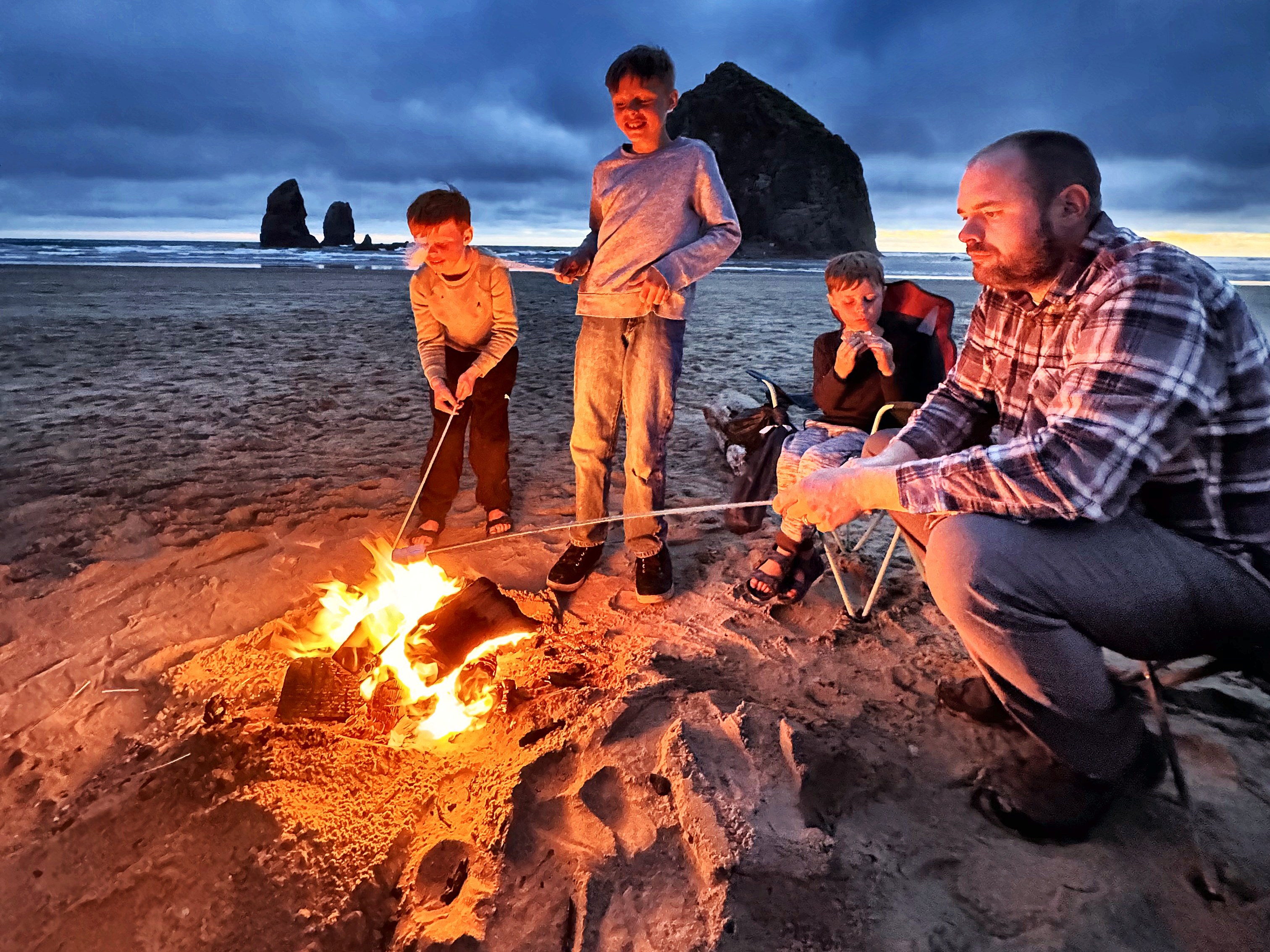
the headline
North Coast
Astoria's working waterfront, Cannon Beach with Haystack Rock, the Tillamook Creamery, the Three Capes Scenic Route, Pacific City's brewpub on the beach. The busiest stretch, and the easiest one with kids.
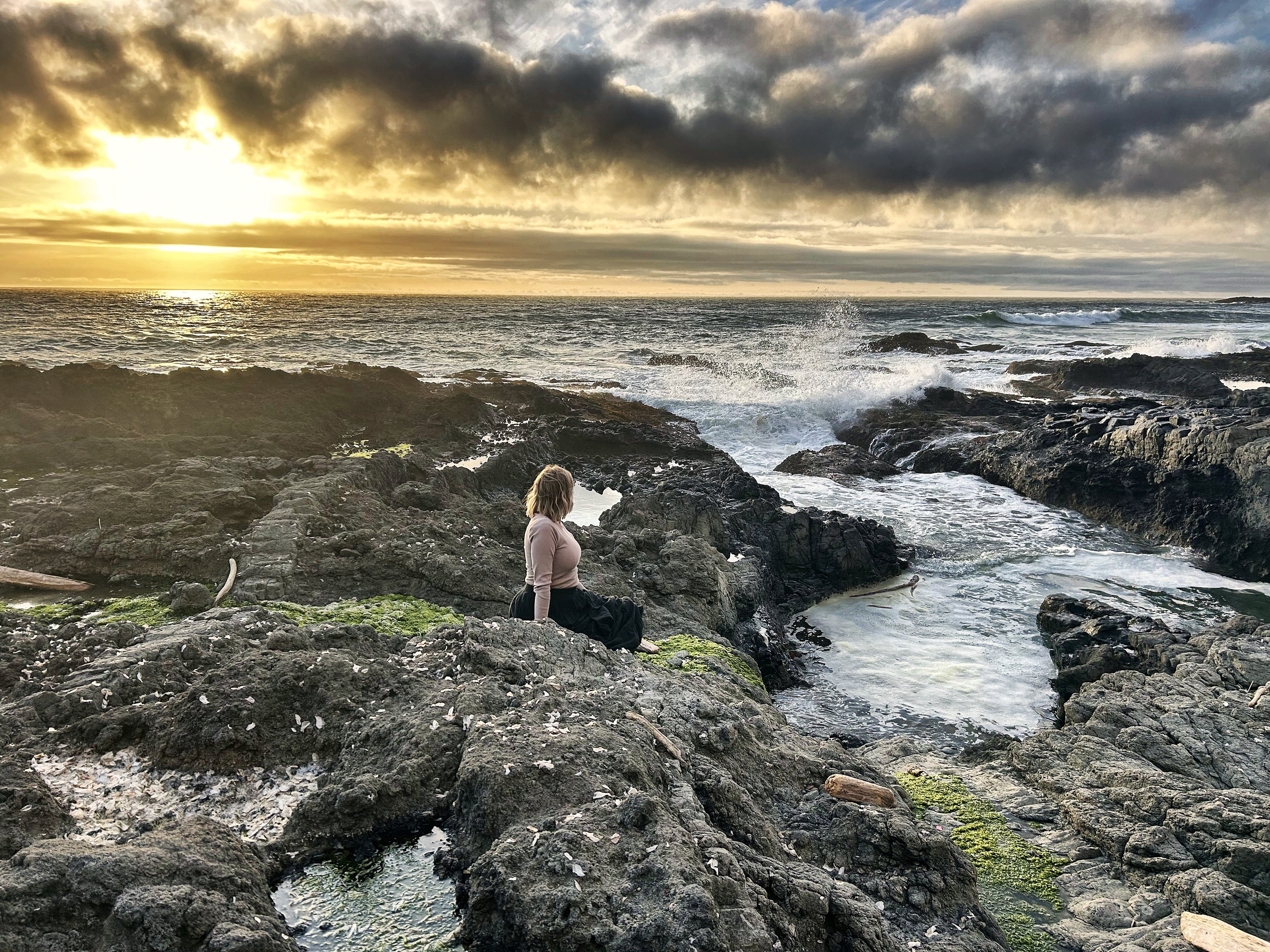
lighthouses + cliffs
Central Coast
Lincoln City glass-floats, Depoe Bay whale watching, Newport's Oregon Coast Aquarium and Yaquina Head Lighthouse, Yachats and Cape Perpetua with Thor's Well and the Spouting Horn, Heceta Head Lighthouse (the one on every Oregon postcard), Florence's Old Town.
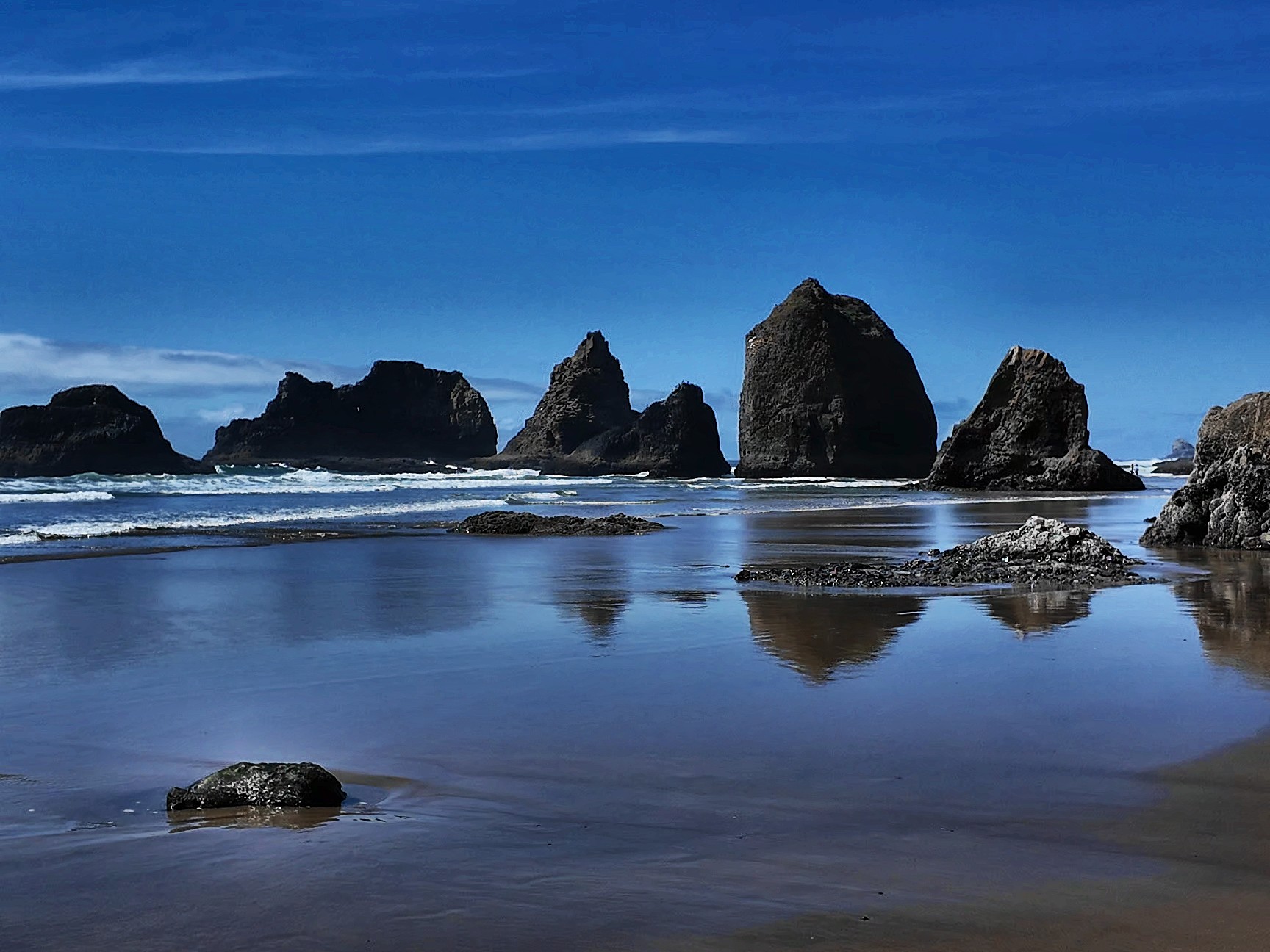
the wild side
South Coast
The 40-mile Oregon Dunes National Recreation Area, Coos Bay's Cape Arago sea lion colony and Shore Acres State Park, Bandon's sea stacks and Old Town, Port Orford's Battle Rock, the 12-mile Samuel H. Boardman Scenic Corridor near Brookings.
putting it together
How to plan your time
The Oregon Coast works as a long weekend or a full week. Pick the version that fits your time. The slow version is the right version.
If you have 2-3 days (long weekend)
Pick the North Coast and stay put. Day 1: Drive from Portland to Cannon Beach, stop at Ecola State Park (landslides closed it from December 2025 until it reopened April 7, 2026), walk Haystack Rock at sunset. Day 2: Tillamook Creamery in the morning, Cape Lookout or Cape Kiwanda hike, Pacific City for an afternoon at Pelican Brewery on the beach. Day 3: Drive home via Astoria for the Astoria Column and the Oregon Film Museum, which sits in the old jail from the opening scene of The Goonies and is the actual Goonies stop. The house itself is a private home. You can photograph it from the sidewalk on Duane Street, and that is the whole visit. The classic Oregon Coast weekend.
If you have 4-5 days
Add the Central Coast. Days 1-2: North Coast as above (1 night Cannon Beach, 1 night Pacific City or Lincoln City). Day 3: Drive south through Lincoln City and Depoe Bay to Newport. Oregon Coast Aquarium and Yaquina Head Lighthouse. Day 4: Drive south to Yachats, hike Cape Perpetua, see Thor's Well at high tide, Heceta Head Lighthouse. Sleep in Florence. Day 5: Drive home from Florence via I-5. This is the version most families should do.
If you have 6-7 days (the full coast)
Add the South Coast. Days 1-4 as above. Day 5: Florence to Bandon. Oregon Dunes in the morning (rent a sandboard or buggy), Charleston and Shore Acres State Park, Cape Arago for the sea lion colony. Sleep in Bandon. Day 6: Bandon to Brookings. Bandon Beach Loop in the morning, Port Orford and Battle Rock, Gold Beach and the Rogue River, the entire Samuel H. Boardman Scenic Corridor. Sleep in Brookings. Day 7: Drive home via Crescent City and I-5, or fly out of Medford (closer to 3 hrs inland). All 363 miles of it.
The driving direction question
If you're starting in Seattle or Portland, drive south. The ocean stays on your right (the passenger side) the whole way, so pull-offs are easy and the kids get the view. Driving north puts the ocean on the driver's side. Same coast, way harder to enjoy from the car. South-bound is the way.
Direct route picks for the Oregon Coast
Want it planned out day by day? Chapter 13 has our full routes:
→ Oregon Coast Long Weekend (3 days, North Coast focus)
→ Oregon Coast Classic (5 days, Astoria to Florence)
→ The Full 363 (7 days, Astoria to Brookings, the slow version)
→ Oregon + Northern California Combo (10 days, connects to Crescent City and the redwoods)
The weather is the wildcard
The Oregon Coast can be 75°F and sunny in July. It can also be 55°F, foggy, and drizzling in July. Pack for both. Layers, real rain jackets for everybody, and know that the morning fog usually burns off by noon. Summer is the busiest season but spring (May-June) and fall (September-October) are the locals' picks for fewer crowds and basically the same weather.
Cell service is spotty between towns, especially on the South Coast. Download offline maps in Portland before you head out, you'll be glad you did.